

We are excited to announce one of our committees for GlobalVoices 2026: the Fall of the Roman Republic, a historical crisis! The fall covers the period of 133 BC-27 BC, and refers to the transition from a democratic political system to an imperial one in Rome – these changes happened in a series of developments, and the period ends with Augustus establishing himself on the throne and with popular elections all but disappearing. Our committee will start in 44 BC – Julius Caesar, the Dictator Perpetuo, Consul and High Priest of Rome, has just been assassinated. Delegates must decide whether they wish to save or destroy the Republic, and how to protect this power vacuum, which Caesar’s death has created, from the ambitious.
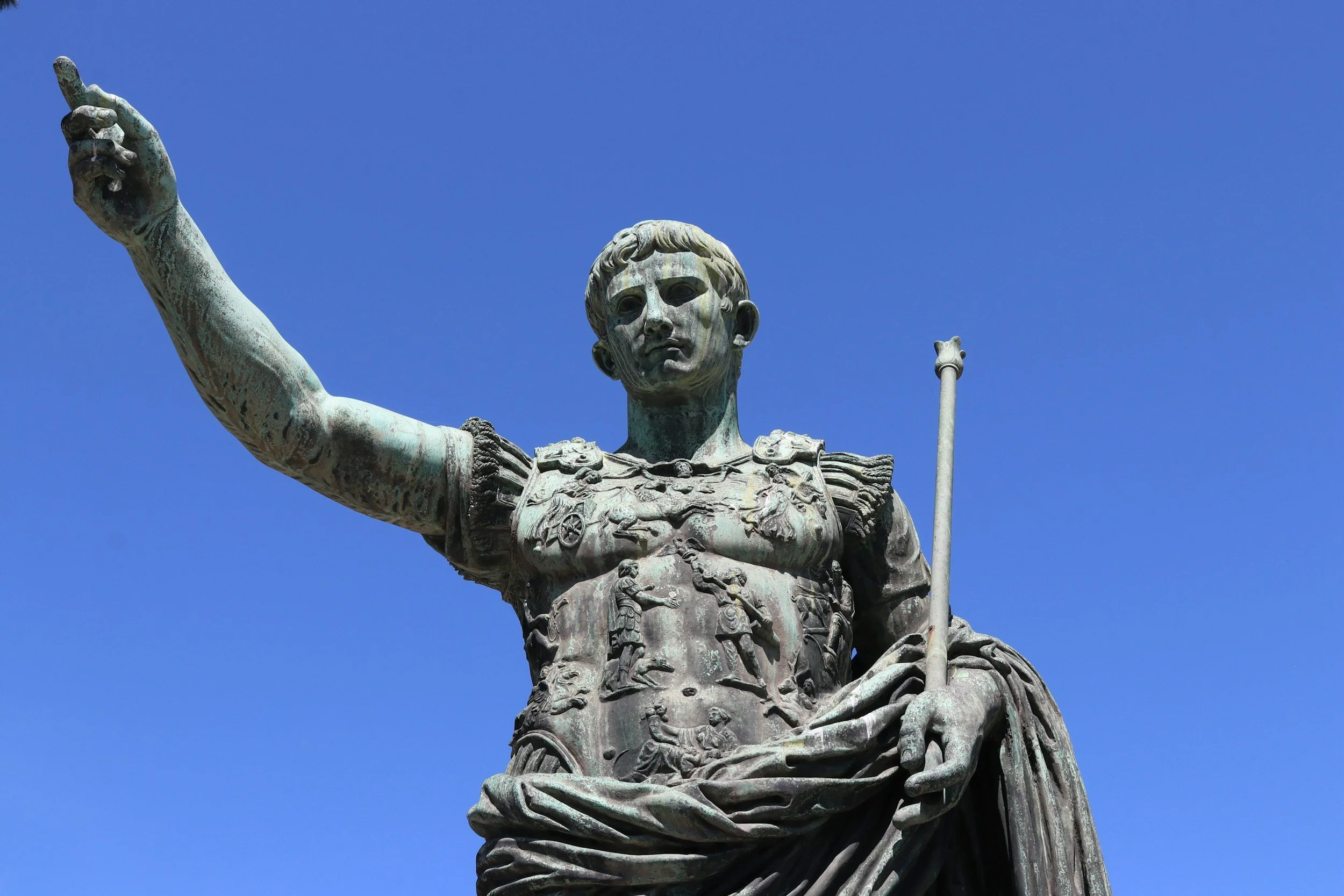
Whilst Caesar was rising in political prominence, Rome was still officially a Republic. The Roman Republic had a mixed constitution, with democratic and aristocratic elements. The key institutions were the Senate, the Consuls, the Popular Assemblies and the Tribunes. The Senate was the primary governing assembly of aristocrats, with 300-600 members. It advised on foreign policy, finance and administration. Then there were 2 Consuls elected annually as heads of government and military commanders-in-chief. They had the power to veto each other’s decisions, in order to prevent one person from gaining too much power and so undermining the system of the Republic. The Popular Assemblies refer to the democratic voting bodies of the Republic – groups of citizens who ratified laws and elected Consuls. Finally, the Tribunes were high ranking military leaders and representatives of the common people.
Caesar was a significant political figure within this system. The beginning of his inflammatory actions was the formation of the First Triumvirate (60 BC) – an informal alliance between Caesar, Pompey the Great and Marcus Crassus which enabled them to dominate Roman politics through their collective wealth, military prestige and political popularity. This lasted for a while, however in 53 BC Crassus died, introducing instability. This was exacerbated by Caesar’s recent military conquests in Gaul which had gained him massive wealth and a loyal army. Pompey and Caesar were thrown into an increasingly tense rivalry, with Pompey backing the Senate. The Senate ordered Caesar to give up his army and return to Rome as a private citizen, fearing that he had gained too much power. However, Caesar refused to follow these commands and instead, in 49 BC, he crossed the Rubicon River into Italy with his army. This violated the Roman law that a general must disband his army before entering Italy; it was an explicit challenge to the authority of the Senate, creating a physical and ideological threat.
The crossing of the Rubicon was a huge turning point, triggering the outbreak of a civil war (Senate vs Caesar) which was waged for several years, until 45 BC, when Caesar defeated Pompey and the Senate’s forces and became the undisputed leader of Rome. From this point onwards, he was able to accumulate more and more power, ultimately becoming the Dictator Perpetuo (Dictator for Life) – he controlled the government, army and treasury of Rome and he filled the Senate with his supporters to ensure that he could not be challenged easily.
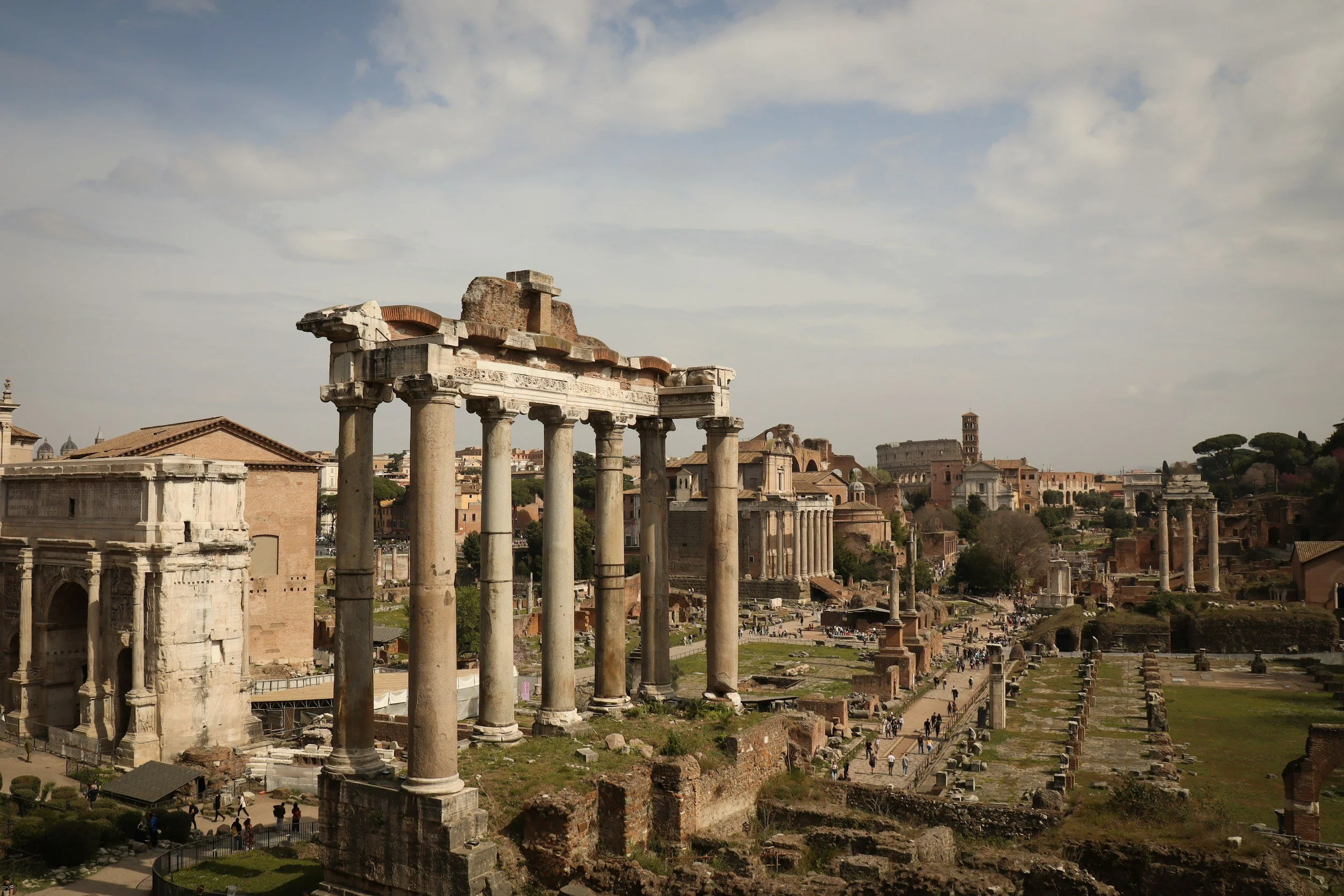
By this point, there was a growing fear in Rome that Caesar wished to establish a monarchy with himself as king – this would completely destroy the Republican system on which Rome was built. A conspiracy of around 60 senators was thus formed, led by Gaius Cassius and Marcus Brutus. They gathered support under the spearhead of ‘saving the Republic’ from tyranny and at the next Senate meeting on the 15th March, 44 BC, in the Theatre of Pompey, the conspirators surrounded Caesar and stabbed him to death.
This brings us to the start of our committee discussion. In this committee, each delegate will represent a different historical figure, not a nation. The range of characters includes members of the conspiracy, supporters of Caesar, the Senate and some wildcards! Debate promises to be challenging but very rewarding – delegates will have the opportunity to rewrite history in whatever way they choose. They will consider questions such as how Rome can recover from such a dramatic assassination? Should power be restored within the original structure of the Republic, or did Caesar’s actions prefigure an alternative, preferable future, where Rome has an imperial system? Delegates, you must decide.