

Key details
Word limit: 2,000 words, excluding references and bibliography
Questions: Answer one of the three questions below
Deadline: 31st October 2026
Referencing: Chicago, APA, MLA or MHRA
Submission: Submit your essay via our submission form.
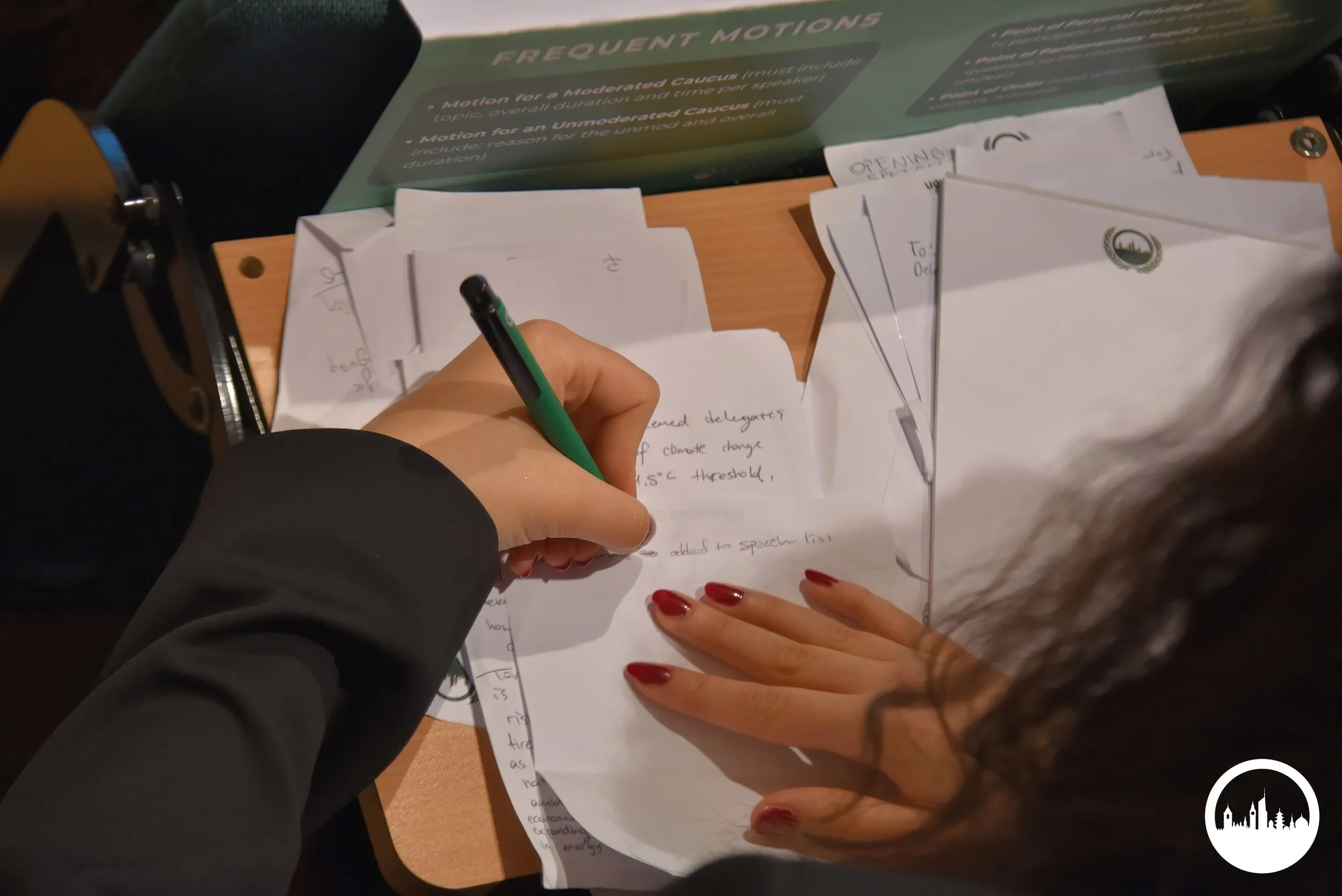
As part of our GlobalVoices 2026 Conference, we are excited to announce the launch of our Essay Competition, in which students are invited to explore some of the most significant questions surrounding diplomacy and international relations today. Building on this year’s conference theme of Diplomacy: Past, Present & Future, the competition is an opportunity to look beyond a specific committee room and engage more broadly with the challenges and ideas that have shaped, and continue to shape, our political world.
Students are invited to answer ONE of the following questions in no more than 2,000 words (excluding references and the bibliography):
How has diplomacy changed in periods of global crisis?
What can contemporary international institutions learn from historical diplomatic failures?
How has technology transformed diplomacy?
These questions are deliberately broad; there is no single period of history, country or institution that entrants are expected to focus on. Rather, we encourage you to identify an area you are most passionate and curious about and develop a clear argument around it. A strong essay should be built around a central argument – why has a diplomatic system changed over time, how has a particular institution shaped history, or what experiences or technologies can inform diplomacy in the present and future?
In light of this, you may choose to focus on a particular historical moment, or to compare different periods and assess their differences. For example, an essay exploring how technology has transformed diplomacy could focus on anything from censorship and social media to the future of artificial intelligence. Students should remember not only to explain what happened, but why it happened and what ramifications it had.
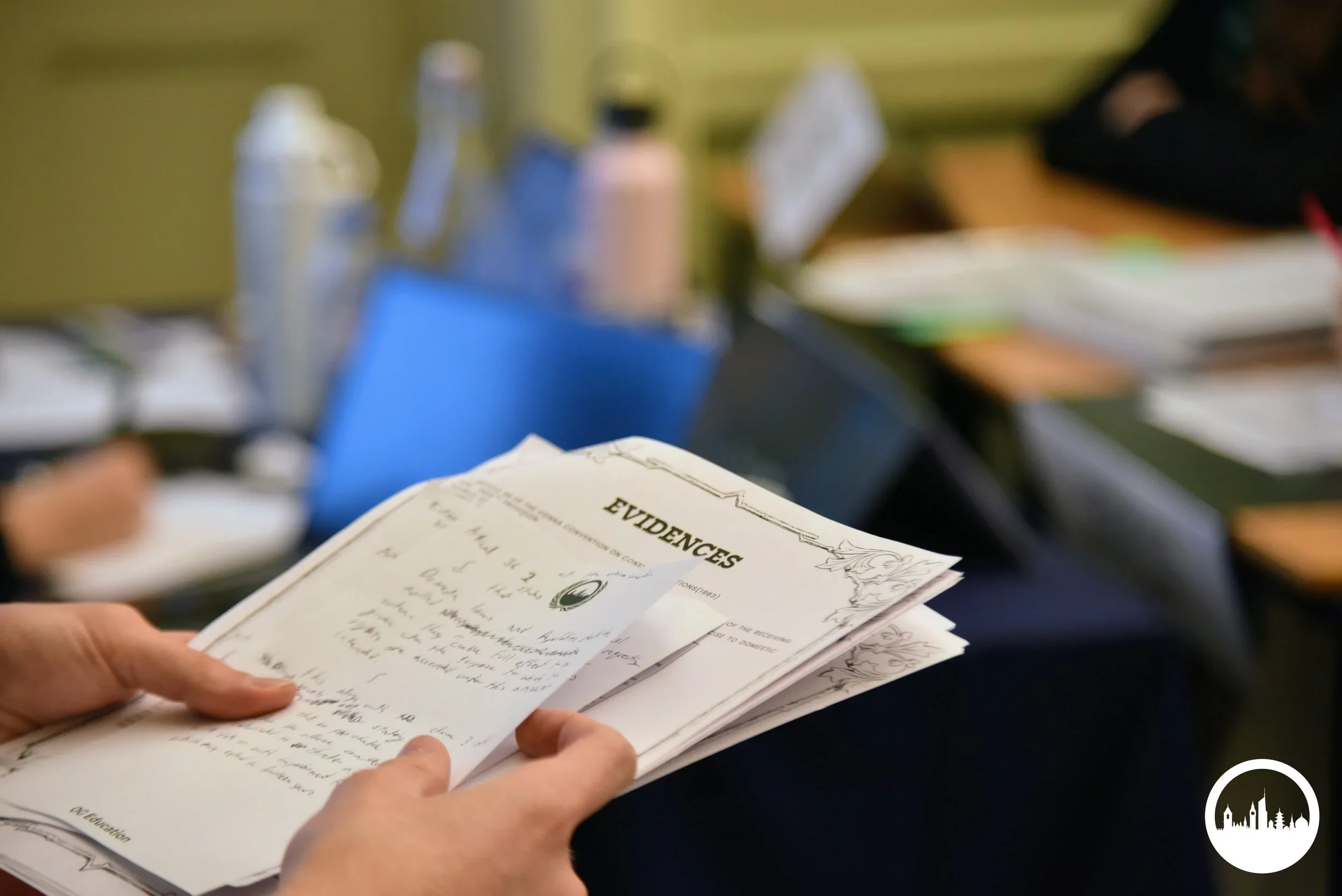
Furthermore, whether through the specific examples used or the analysis of a particular instance or institution, we encourage students to engage with our theme of the past, present and future. Understanding the differences between time periods, and how the socio-cultural norms of the time shape values and diplomatic practices, is crucial.
Finally, we strongly encourage all entrants to find their own unique viewpoint on a question. Using sources is important for research and informing your viewpoint, but you should put forward your own argument, with references included whenever the views or work of others are discussed. Students may use Chicago, APA, MLA or MHRA referencing, provided the chosen style is used consistently throughout.
Entrants will receive feedback from academic reviewers with relevant subject expertise. Prizes will be awarded for the strongest essays and presented at GlobalVoices 2026, with selected winning entries also published across Oxford Global platforms.