
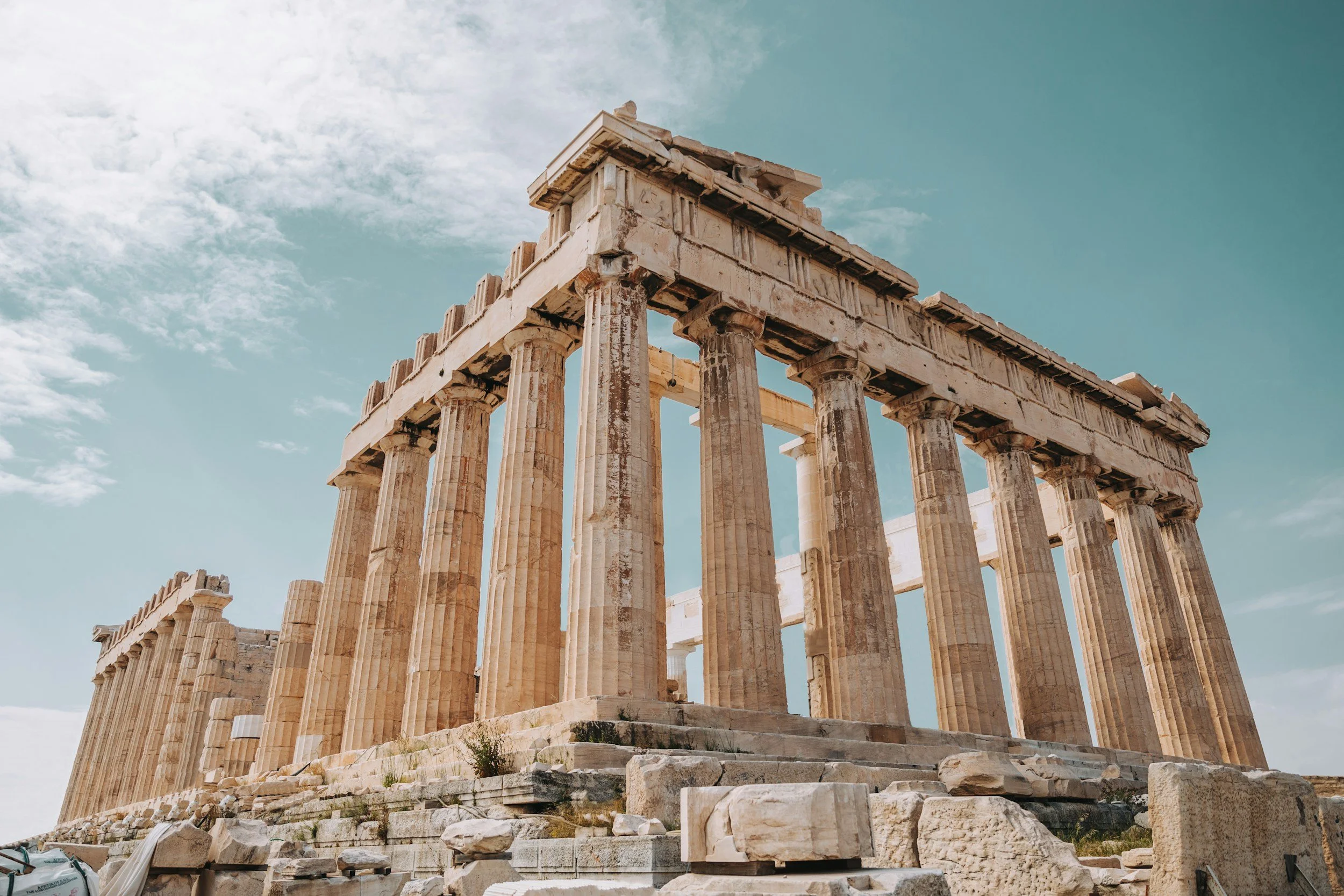
This summer, Oxford Global travelled to Athens for an exciting week of climate-focused learning at Byron College. More than 40 ambitious students joined us to explore some of the most pressing environmental challenges facing the world today, approaching them through the complementary perspectives of science and public policy.
Students took part in one of two specialist pathways: Future Scientists and Future Policy Advocates. Across both programmes, students explored complex ideas and put their learning into practice as they developed their own responses to the climate crisis.
Climate Science in Action
Throughout the Future Scientists programme, students examined key scientific phenomena including albedo, ocean acidification and biodiversity loss. Alongside classroom discussions, they took part in practical activities designed to demonstrate how scientific theory connects with real-world environmental challenges.
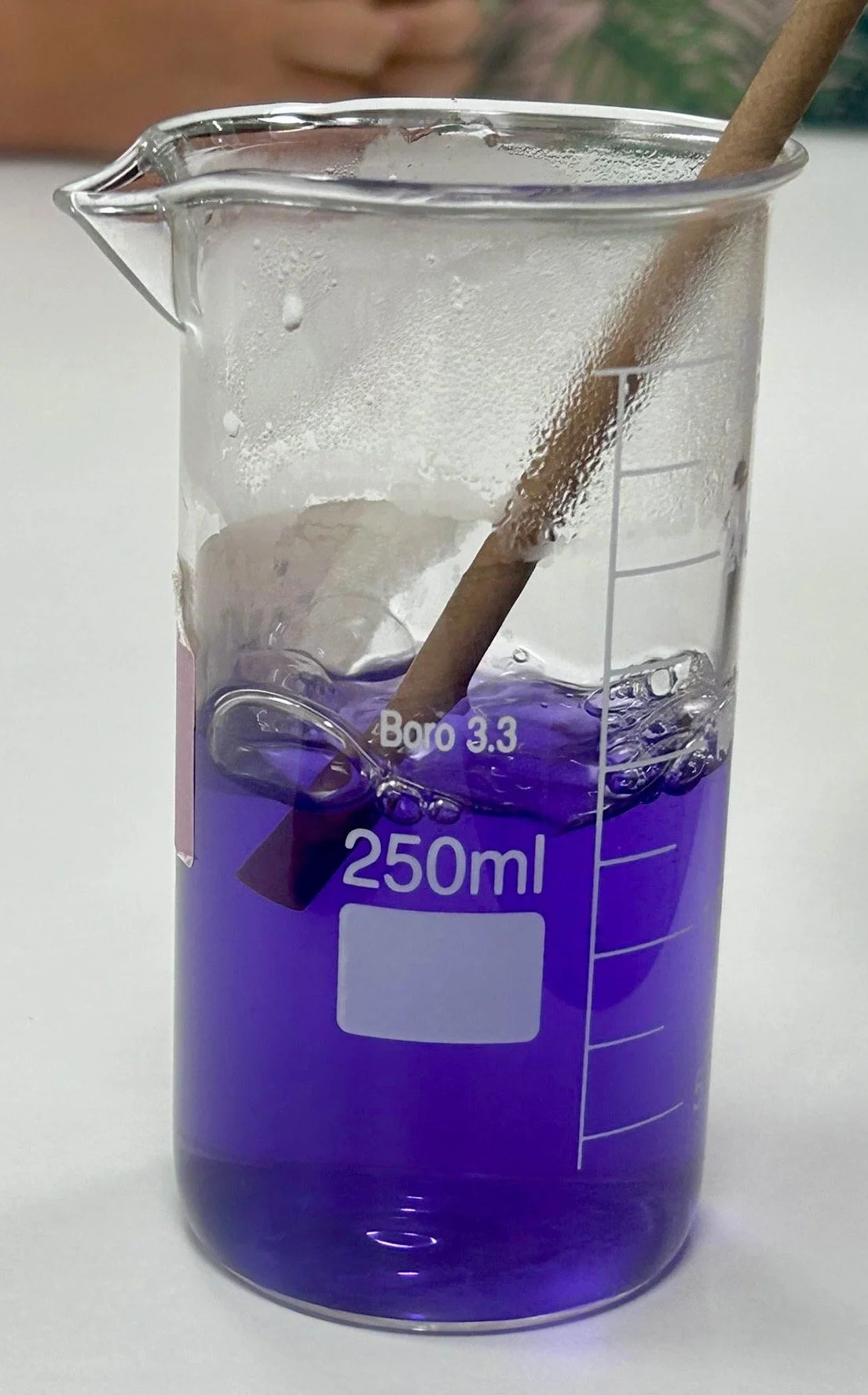
Students built miniature wind turbines to investigate how different blade designs affect the amount of wind energy captured. They also used M&Ms to model biodiversity within ecosystems, exploring what happens when species are gradually removed and considering the wider impact of biodiversity loss on ecosystem stability.
These activities helped students connect scientific theory with real-world environmental challenges and consider how research and innovation can contribute to a more sustainable future.
Negotiating Climate Policy
Students in Future Policy Advocates examined the social and political dimensions of climate change. Their discussions covered topics such as climate justice, responsibility for historic emissions and the different policies governments can introduce to reduce emissions.
They also developed their critical-thinking, communication and argumentative skills through a range of debates and negotiation exercises. One of the highlights of the programme was a simulated climate negotiation involving stakeholders such as developed countries, developing countries and climate activists.
Representing groups with different priorities gave students a sense of why international climate negotiations can be so difficult, as they worked to defend their positions while finding areas of compromise.
Developing Solutions
Alongside their workshops and practical activities, students worked in groups to develop projects that they presented on the final day of the programme.
The final presentations demonstrated an impressive combination of research, creativity and teamwork. Projects explored a wide range of scientific and policy-based responses to climate change, including the award-winning Future Scientists presentation on satellite-based aerosol detection and the Future Policy Advocates presentation examining policy responses to wildfires in Australia and Greece.
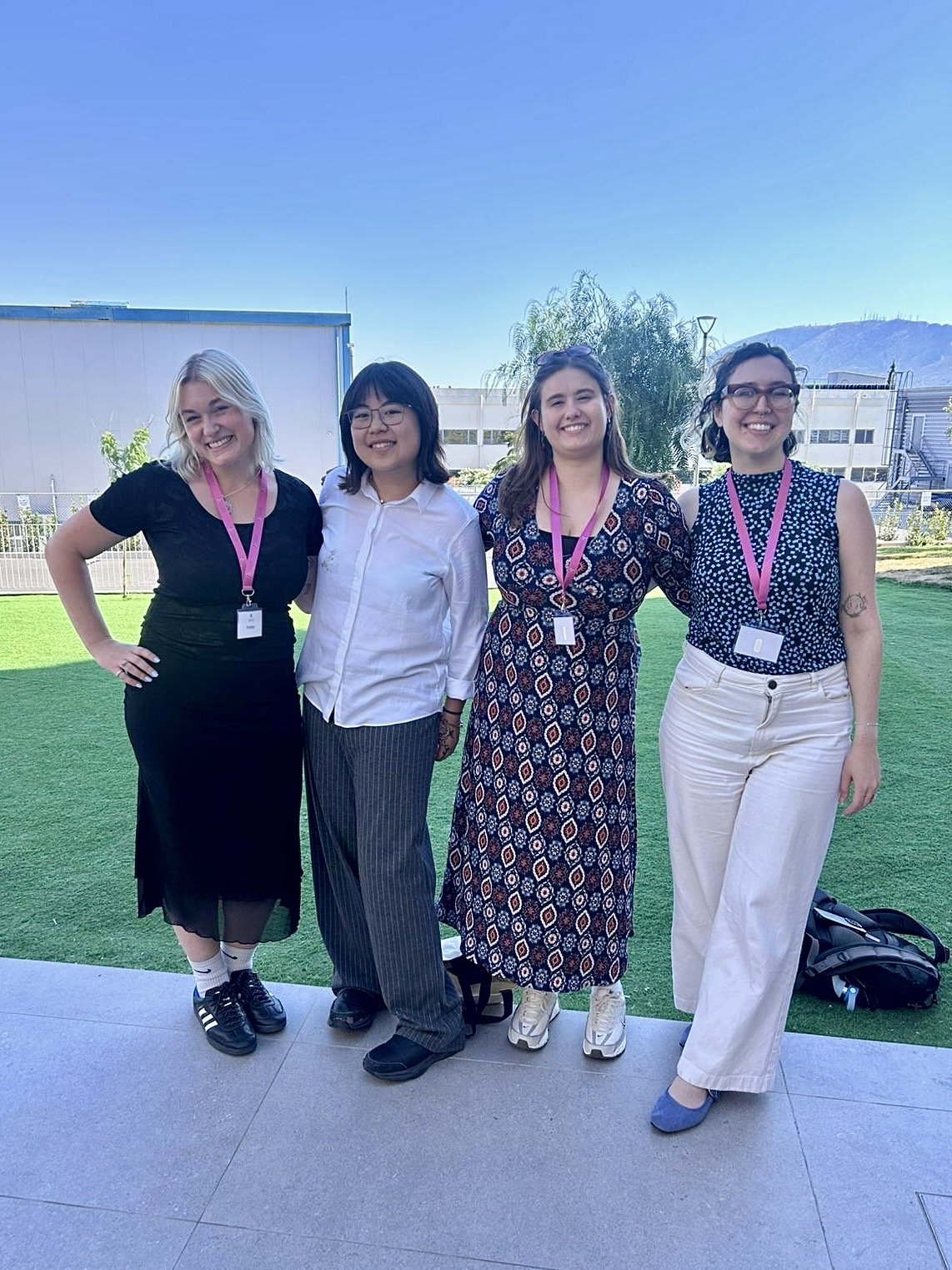
Presenting their work gave students the opportunity to bring together what they had learned during the week and share their ideas with confidence in front of their peers and the Oxford Global team. Awards recognised particularly strong presentations and academic contributions, as well as students who had shown significant progress over the course of the programme. The team was impressed by the commitment of the whole group and the effort students put into their final projects.
Our programme leaders highlighted how engaged the students were throughout the week, particularly in the way they contributed ideas and supported one another. Their enthusiasm created a positive and ambitious learning environment.
Exploring Athens
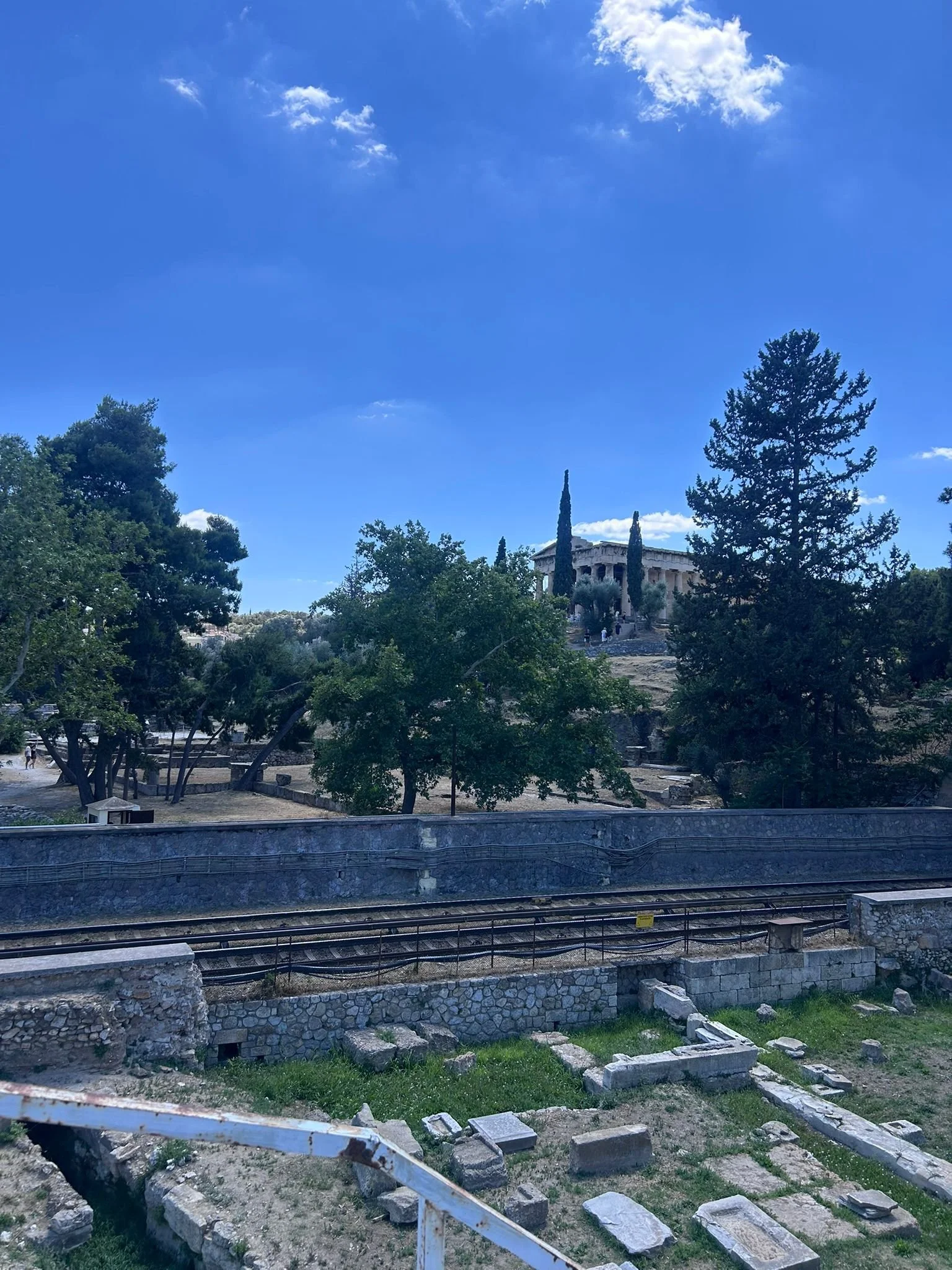
Beyond the classroom, the Oxford Global team also had the opportunity to explore Athens. One highlight was a visit to the Acropolis Museum, where the team learned more about the history and culture of ancient Athens.
They also enjoyed the city’s fantastic food and experienced the warm Greek hospitality they received throughout their stay. With its long history of public debate, philosophy and political thought, Athens provided a fitting setting for a programme focused on critical thinking and the future of society.
Looking Ahead
FutureX Athens demonstrated what students can achieve when they are given the opportunity to explore global challenges from multiple academic perspectives. Whether testing renewable-energy designs, examining changing ecosystems or negotiating climate agreements, students were encouraged to think critically about different approaches to tackling the climate crisis.
We are incredibly grateful to Byron College for welcoming the Oxford Global team and to every student who brought their enthusiasm, curiosity and ideas to the programme. We hope the experience inspired participants to continue exploring climate science and policy, and to recognise the important role their generation can play in creating a more sustainable future.