
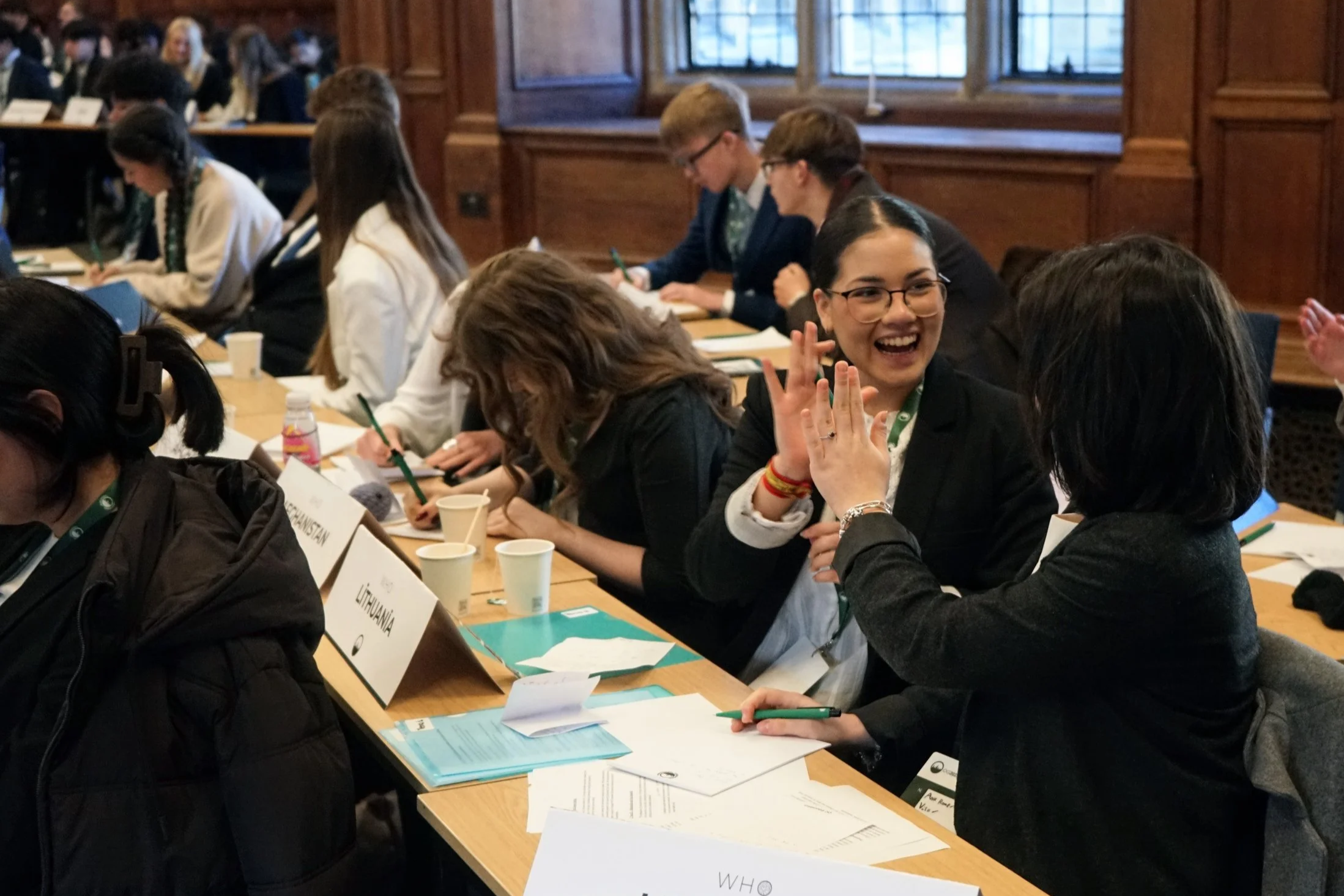
The week before a conference is not the time to learn everything. It’s the time to get organised, sharpen your country strategy, and practise the few skills you’ll use repeatedly in committee. This checklist keeps prep focused, practical, and manageable.
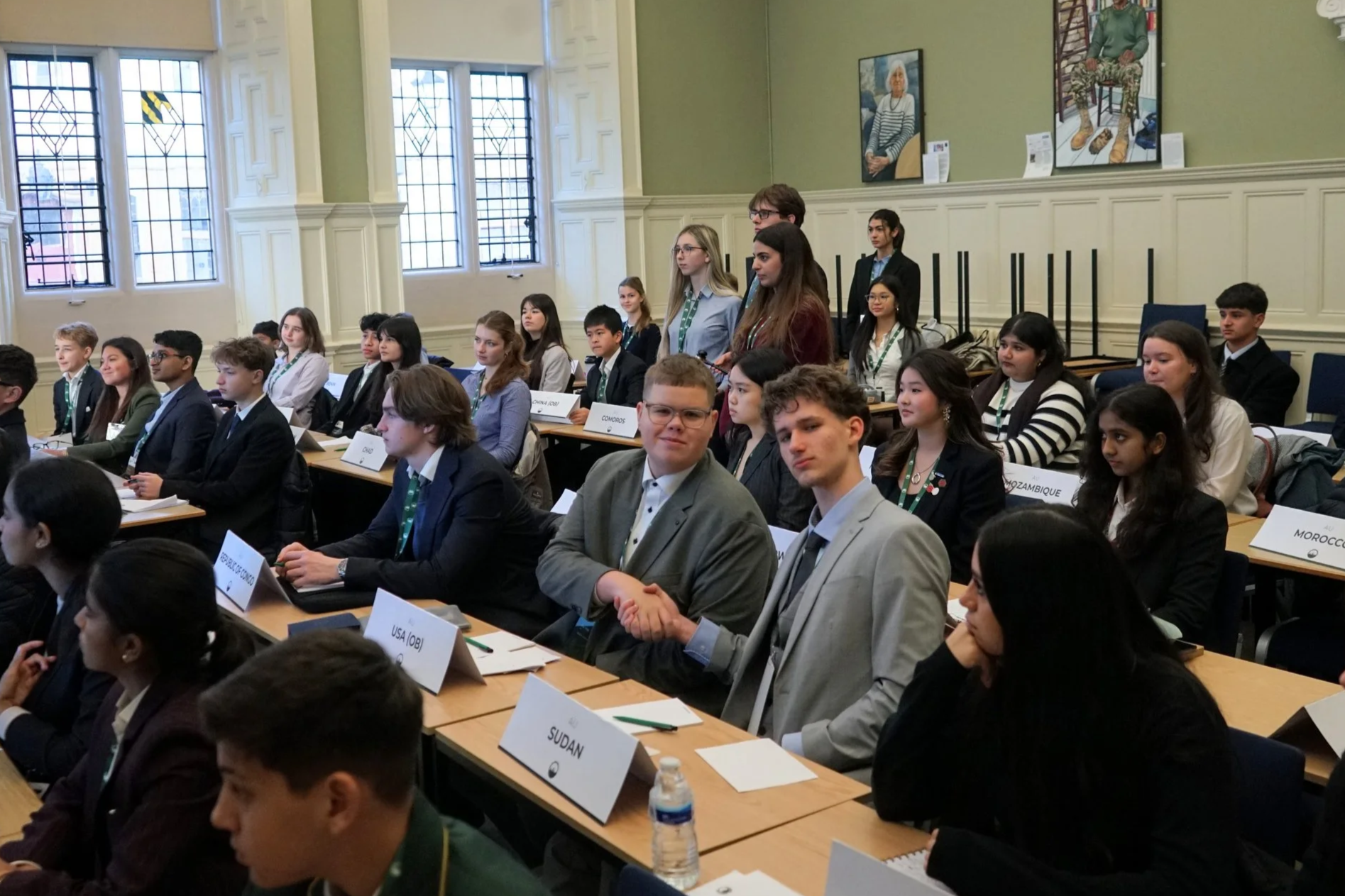
What you should have ready by registration…
By the time you arrive in Oxford, aim to have a clear country stance and a basic plan. This could be as simple as your country’s 3 priorities, 2 red lines, and 2 areas you can compromise on. You should also have a small selection of facts you can use in speeches, an opening speech you can deliver confidently, and at least one realistic proposal you can pitch in unmoderated caucus.
Don’t come with lots of pre-prepared speeches; your Chairs will be looking for delegates who can respond to the room in real time and the strongest contributions refer to what’s just been said and move debate forward.
1) Start with the background guide
Read your committee background guide once properly, then skim it again with a highlighter. Focus on three things: the scope (what the committee can realistically do), the key questions the committee is expected to answer (QARMAs), and any terms or definitions that keep coming up. If you understand those, you’re already ahead of most first-timers! And don’t forget to check out our MUN Glossary to get familiar with the jargon you’ll hear across the weekend.
2) Build your country strategy in 15 minutes
Worried you’ve left prep to the last minute? Don’t panic! You can still make your preparation much more focused with a one-page “country snapshot” you can glance at quickly. Keep it to the essentials: what your country wants on this topic, who you usually align with (regional groups, key partners), and any constraints you need to keep in mind.
Then turn that into a negotiating position by being specific about three things: what you’re trying to achieve, what you can’t accept, and what you’re willing to trade to build support. In practice, it means knowing what you’re going to push for, what you’ll push back on, and where you can be flexible. That’s what helps you negotiate clearly instead of just sharing opinions.
3) Research for speaking, not for reading
Choose 5–8 facts you can actually say out loud and link to your country’s stance. Then turn each fact into a usable sentence using: fact + why it matters + what you/we propose. This stops you over-researching and gives you lines you can use in speeches and negotiations.
4) Write an opening speech you can deliver without reading
Keep your opening speech short, clear, and specific. A reliable structure is: stance → why it matters → your country angle → one proposal → invitation to collaborate.
If you’re nervous, aim for 45–60 seconds that you feel confident in delivering (that will land better than a longer speech read from notes).
5) Prepare for unmoderated caucus
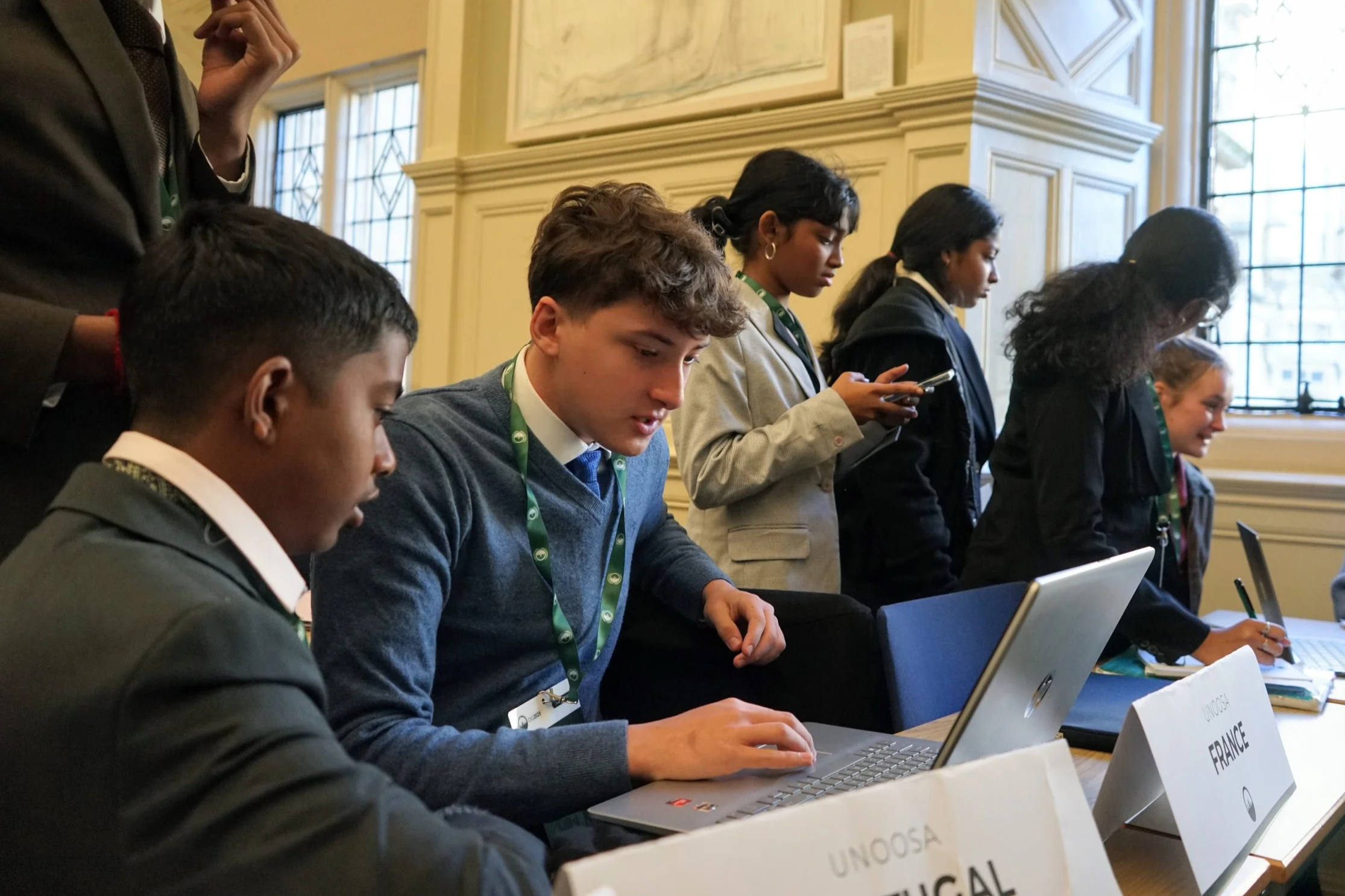
Before NoviceNations, decide what you’re goals are for your first unmoderated caucus. This might be simply to introduce yourself to some other delegates. For this, you can have a quick introduction ready: “Hi, I’m representing [Country]. Our priorities are [A] and [B]. We’re looking for a bloc focused on [theme]. What are you working on?”
Come with something concrete you can add to the draft — a clause you want included, a simple plan for how it would work (funding, who does what, by when), or wording that makes it easier for more countries to agree.
6) Quick RoP Refresh
Set aside 10–15 minutes to revise the basics of Rules of Procedure before you arrive. Focus on the things you’ll actually use: points (especially personal privilege and parliamentary inquiry), the difference between moderated and unmoderated caucus, how draft resolutions and amendments work, and what happens during voting. You don’t need to memorise every rule, but you want to feel confident following the flow of committee and knowing what to ask for when you need it.
7) Get the practical stuff sorted early
Sort the practical stuff the day before so it’s one less thing to think about on the first morning of the conference. Plan to get to registration on time and in the right location (it’s on the conference schedule, and your Faculty Advisor can help), charge your devices, and pack the essentials — a notebook, water bottle, snacks, and a printed copy of your position paper if you’d like one. Plan your outfit in advance too: formal attire, with smart but comfortable shoes.
When you arrive at registration, the OG team will be there to welcome you and point you in the right direction for the rest of the day. You’ll also receive a Delegate Handbook with lots of useful information to keep you on track!
If you only do three things this week…
Read your background guide thoroughly, revise the RoP basics, and lock in your 3–2–2 with a short opening speech and a plan for your first unmoderated caucus. That combination will make you feel prepared before you even sit down in committee.