
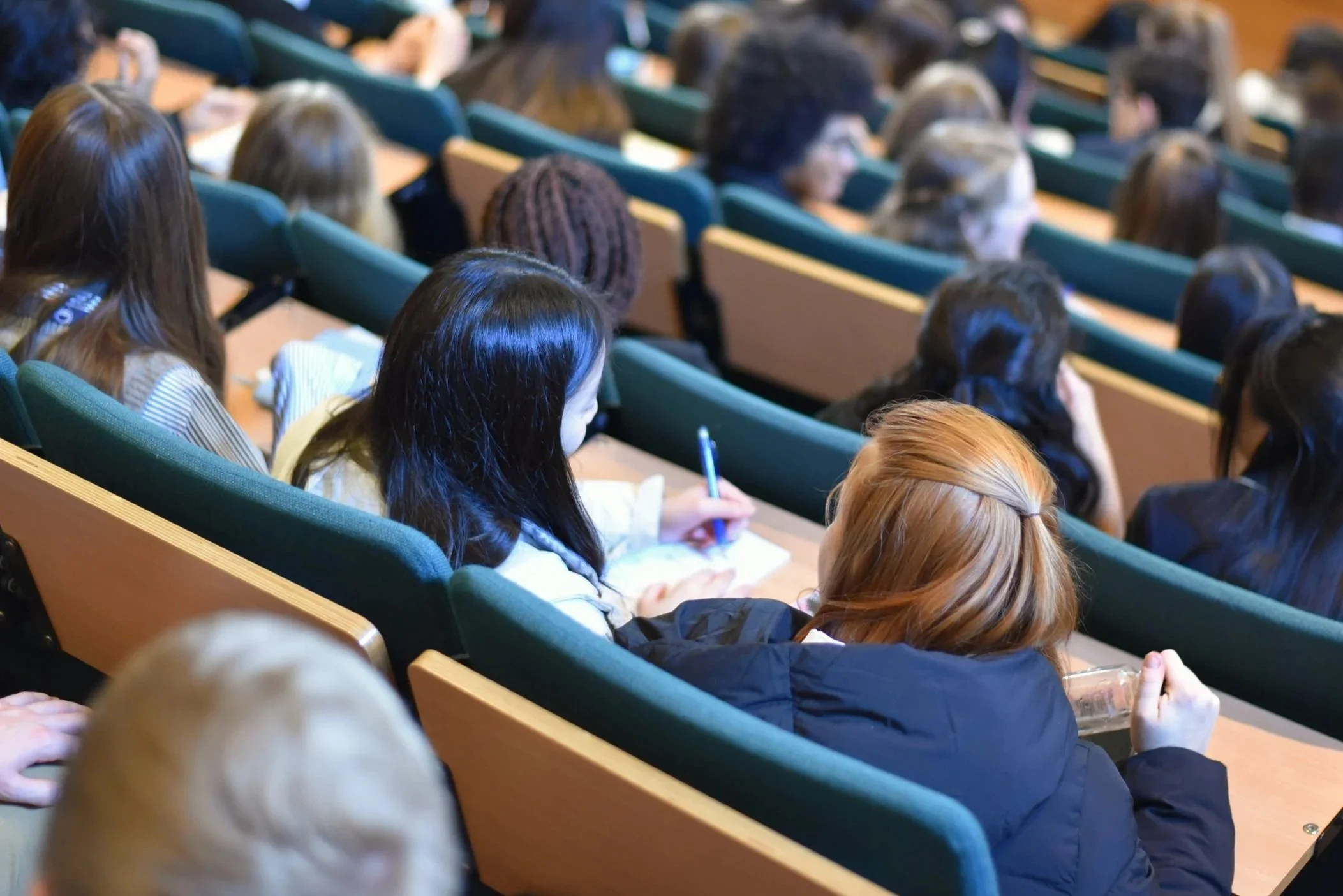
For many students, Model United Nations can feel intimidating at first. With rules of procedure, formal debate, global politics, and lots of new faces to meet, it’s a lot to take in! That’s exactly why we created NoviceNations.
Held every February in the city of Oxford, NoviceNations is OG’s dedicated beginner-focussed MUN conference, designed to introduce students to Model United Nations in a way that is supportive and exciting. For many delegates, it is their very first experience of MUN and often the moment they discover a passion for diplomacy, debate, and global affairs.
In 2026, NoviceNations will return from 6-8 February, welcoming students from around the world to debate in Oxford’s historic academic settings.
A Conference Designed for Beginners
Every element of NoviceNations the conference — from committee size to pacing, chairing style, and training — is designed with beginners in mind.
Delegates take part in beginner and intermediate-friendly committees, supported by Chairs who focus on explanation, encouragement, and skill-building. Alongside debate, students attend workshops and talks on public speaking, argument-building, and MUN fundamentals, helping them gain confidence quickly and apply what they learn in real time.
For those who are ready to stretch themselves further, NoviceNations also offers one or two more demanding committees each year, often crisis-based or specialised in focus. These provide a faster-paced experience while remaining accessible to newer delegates.
Above all, NoviceNations reflects our commitment to making MUN inclusive and welcoming, ensuring that students feel confident speaking up (even if it’s their first time).
Learning Through Real Global Issues
At its heart, Model United Nations is about engaging with the world as it is today. The NoviceNations 2026 committees are carefully selected to give delegates a taste of the most pressing international challenges, while remaining approachable for new participants.
Delegates may find themselves debating global security in the Disarmament and International Security Committee (DISEC), exploring questions such as the role of non-state actors in conflict zones or the impact of automated disinformation campaigns. Others may be drawn to economic and financial questions in Economic and Financial Committee (ECOFIN), where topics range from development aid to the possibility of Bitcoin as a global reserve currency.
Social justice and equality come to the forefront in the Commission on the Status of Women (CSW), with debates on barriers to education for women and girls and gender bias in medical research. For delegates interested in science, health, and global cooperation, the World Health Organization (WHO) offers discussion on genome editing and food insecurity, while climate-focused students may gravitate towards Conference of the Parties (COP31), tackling adaptation beyond 1.5 degrees and deforestation in an era of climate catastrophe.
Human rights remain central to international diplomacy, explored in the United Nations Human Rights Council (UNHRC), while delegates seeking a more intense experience can apply to the United Nations Security Council (UNSC) — a smaller, higher-stakes committee featuring the unique powers of the Permanent Five.
Across all committees, debates follow standard Rules of Procedure, giving beginners a strong foundation they can carry forward to future conferences.
Who Is NoviceNations For?
NoviceNations is ideal for students who:
Are new to Model United Nations or who are less experienced with MUN
Want a supportive environment to build confidence in public speaking
Are attending their first international academic conference
Are curious about global issues, diplomacy, and debate
For many, NoviceNations becomes the starting point of a longer MUN journey — a place where they first raise their placard, deliver their opening speech, and realise they belong in the room.
Join Us in Oxford
Applications for NoviceNations 2026 are now open, and we cannot wait to welcome a new generation of delegates to take their first steps into international debate, and to discover just how powerful their voice can be.